
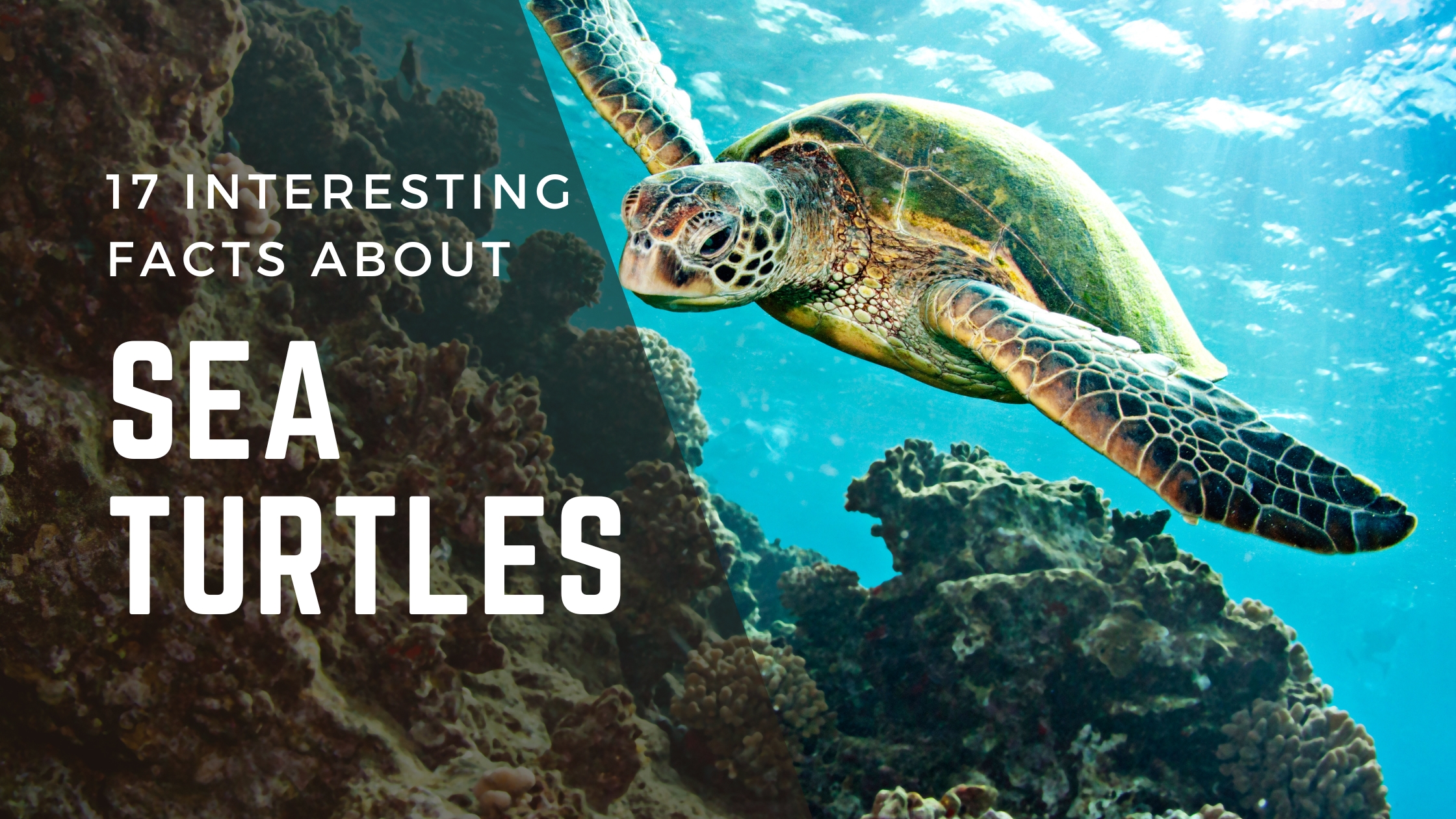
Sea turtles are among the most captivating and ancient creatures inhabiting our oceans. With their unique adaptations and long lifespans, they play a vital role in marine ecosystems. Here are 17 interesting facts about sea turtles:
1. Ancient Mariners
Sea turtles have been around for more than 100 million years, dating back to the time of the dinosaurs. They have survived numerous mass extinction events and continue to thrive in today’s oceans.
2. Seven Species
There are seven species of sea turtles: the green, hawksbill, loggerhead, leatherback, olive ridley, Kemp’s ridley, and flatback. Each species has its own unique characteristics and habitats.
3. Global Distribution
Sea turtles are found in oceans around the world, from the warm waters of the tropics to the colder seas. Each species has its preferred habitat, ranging from coral reefs to open oceans and coastal areas.
4. Long Migrations
Sea turtles are known for their long migrations. Some species, like the leatherback, travel thousands of miles between their feeding and nesting grounds. They navigate using the Earth’s magnetic field, which they sense through specialized receptors in their heads.
5. Dietary Diversity
Sea turtles have varied diets depending on the species. Green sea turtles are primarily herbivores, feeding on seagrass and algae, while hawksbills prefer sponges. Loggerheads have strong jaws to crush shellfish, and leatherbacks mainly consume jellyfish.
6. Incredible Longevity
Sea turtles have long lifespans, with many living 50 years or more. Some individuals are believed to reach over 100 years of age, though exact lifespans are difficult to determine.
7. Temperature-Dependent Sex Determination
The sex of sea turtle hatchlings is determined by the temperature of the sand where the eggs are incubated. Warmer temperatures generally produce females, while cooler temperatures result in males.
8. Nest Fidelity
Female sea turtles exhibit nest fidelity, meaning they return to the same beach where they were born to lay their eggs. This remarkable behavior is guided by their ability to detect the Earth’s magnetic fields.
9. Mass Nesting
Olive ridley and Kemp’s ridley sea turtles are known for their mass nesting events called arribadas, where thousands of females come ashore simultaneously to lay their eggs.
10. Hatchling Challenges
Sea turtle hatchlings face numerous challenges from the moment they emerge from their nests. They must navigate to the ocean, avoiding predators such as birds and crabs. Once in the water, they continue to face threats from marine predators.
11. Impressive Divers
Sea turtles are excellent divers. Leatherbacks, the largest species, can dive to depths of over 4,000 feet (1,200 meters) and stay submerged for up to 85 minutes.
12. Endangered Status
All seven species of sea turtles are listed as threatened or endangered due to various factors, including habitat loss, poaching, accidental bycatch in fishing gear, and climate change.
13. Role in Ecosystems
Sea turtles play a crucial role in marine ecosystems. For example, green turtles help maintain healthy seagrass beds, while hawksbills keep coral reefs healthy by controlling sponge populations.
14. Leatherback Giants
Leatherback sea turtles are the largest of all sea turtle species, growing up to 7 feet (2 meters) in length and weighing up to 2,000 pounds (900 kilograms). They have a unique, leathery shell rather than a hard, bony one.
15. Unique Adaptations
Sea turtles have several unique adaptations, such as specialized glands near their eyes that help excrete excess salt from ingesting seawater. This adaptation allows them to maintain their salt balance.
16. Critical Conservation Efforts
Conservation efforts are vital for sea turtle survival. Protected nesting sites, reducing bycatch through modified fishing practices, and public education are crucial strategies in conserving these remarkable creatures.
17. Cultural Significance
Sea turtles hold cultural and spiritual significance for many coastal communities around the world. They are often symbols of longevity, perseverance, and wisdom in various cultures.
Sea turtles are extraordinary animals with a rich history and essential roles in marine environments. Understanding and protecting these ancient mariners is crucial for maintaining the health and diversity of our oceans.
Leave a Reply